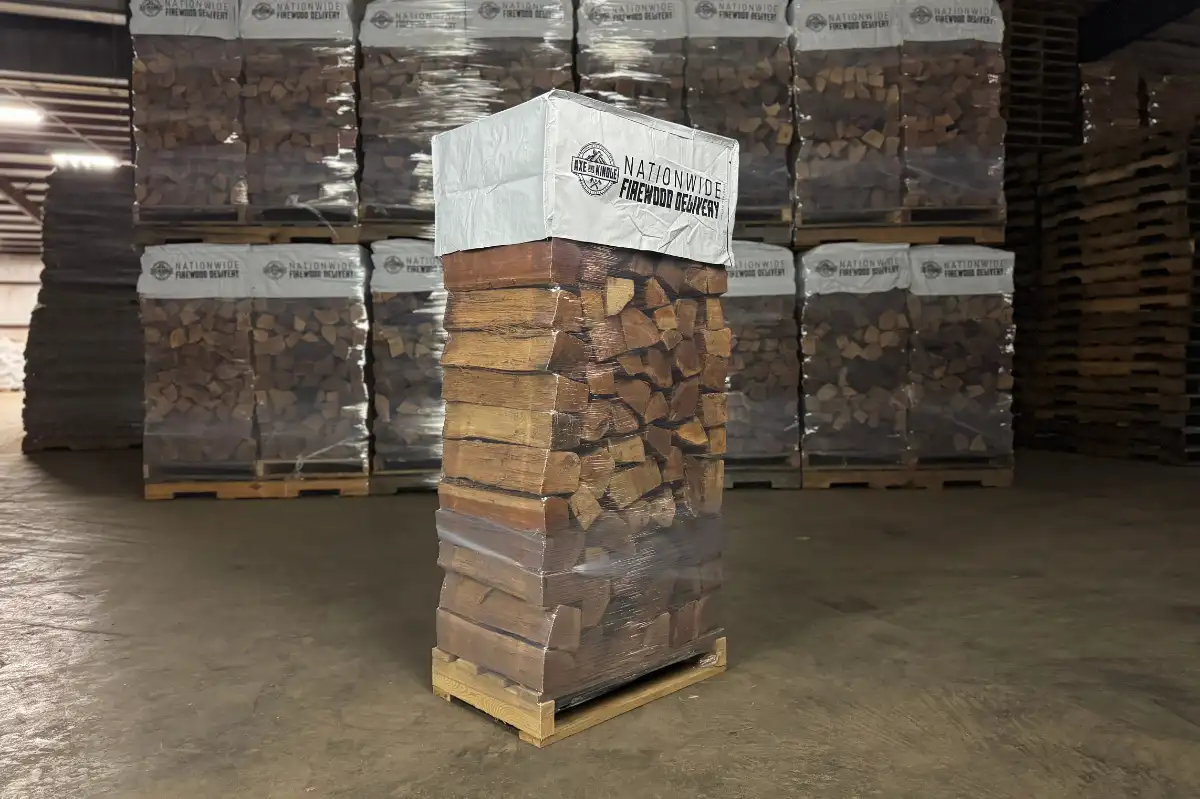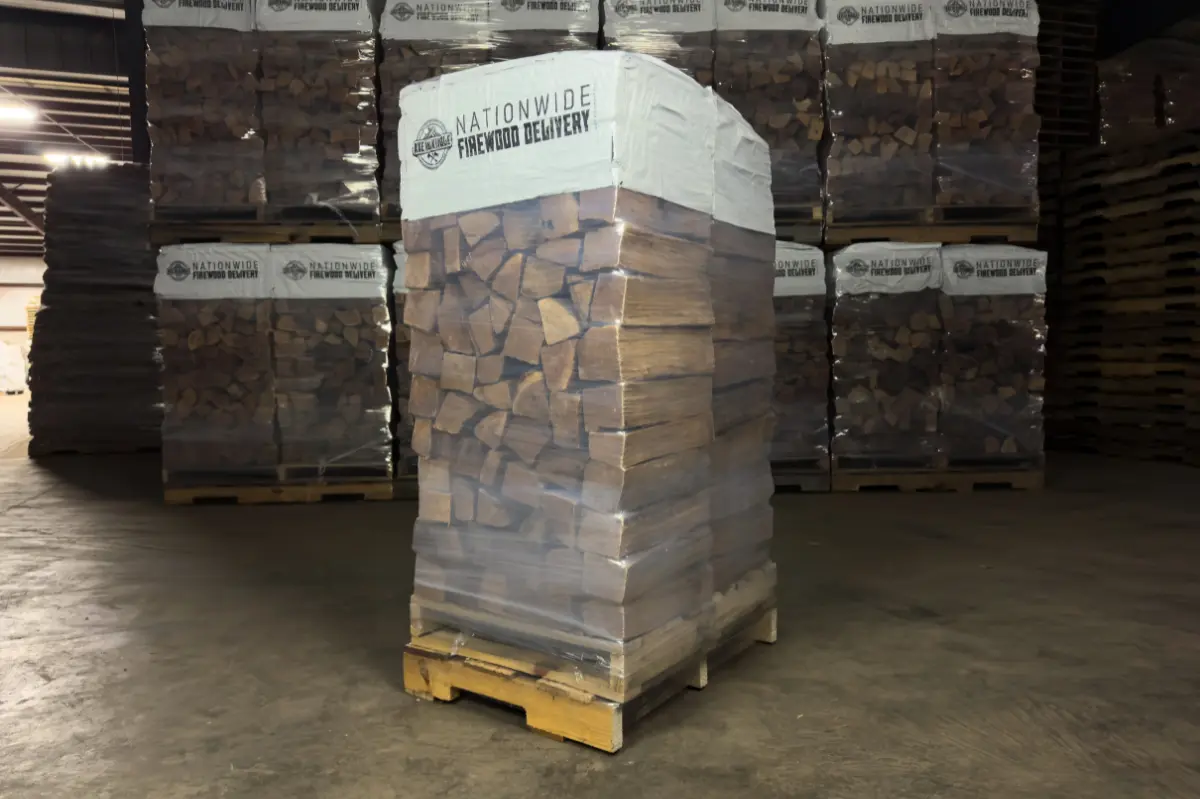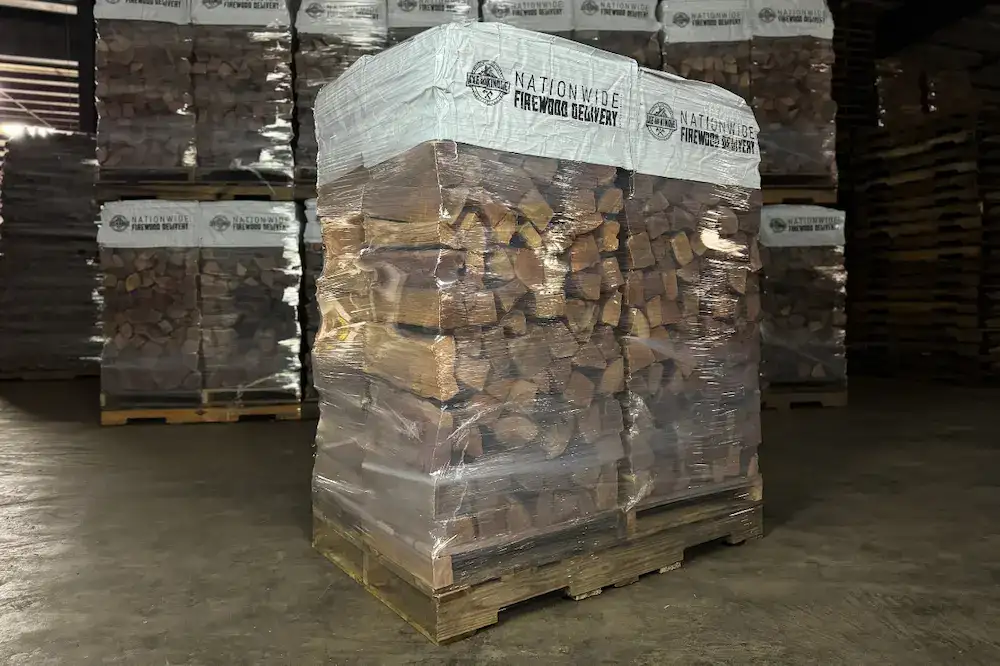

The Science of Burning: Why Kiln-Dried Firewood is Superior in Winter
Buy Kiln-Dried FirewoodAs winter approaches and temperatures drop, the warmth of a crackling fire becomes irresistible. But when it comes to heating efficiently, not all firewood performs equally. Kiln-dried firewood stands out as a top choice for winter fires, providing superior heat output, faster ignition, and cleaner burns compared to seasoned wood. The science behind this difference lies in moisture content and combustion dynamics. In this guide, we’ll explore why kiln-dried firewood excels in cold weather, from moisture reduction to combustion efficiency, and how it makes a perfect choice for keeping warm during winter.
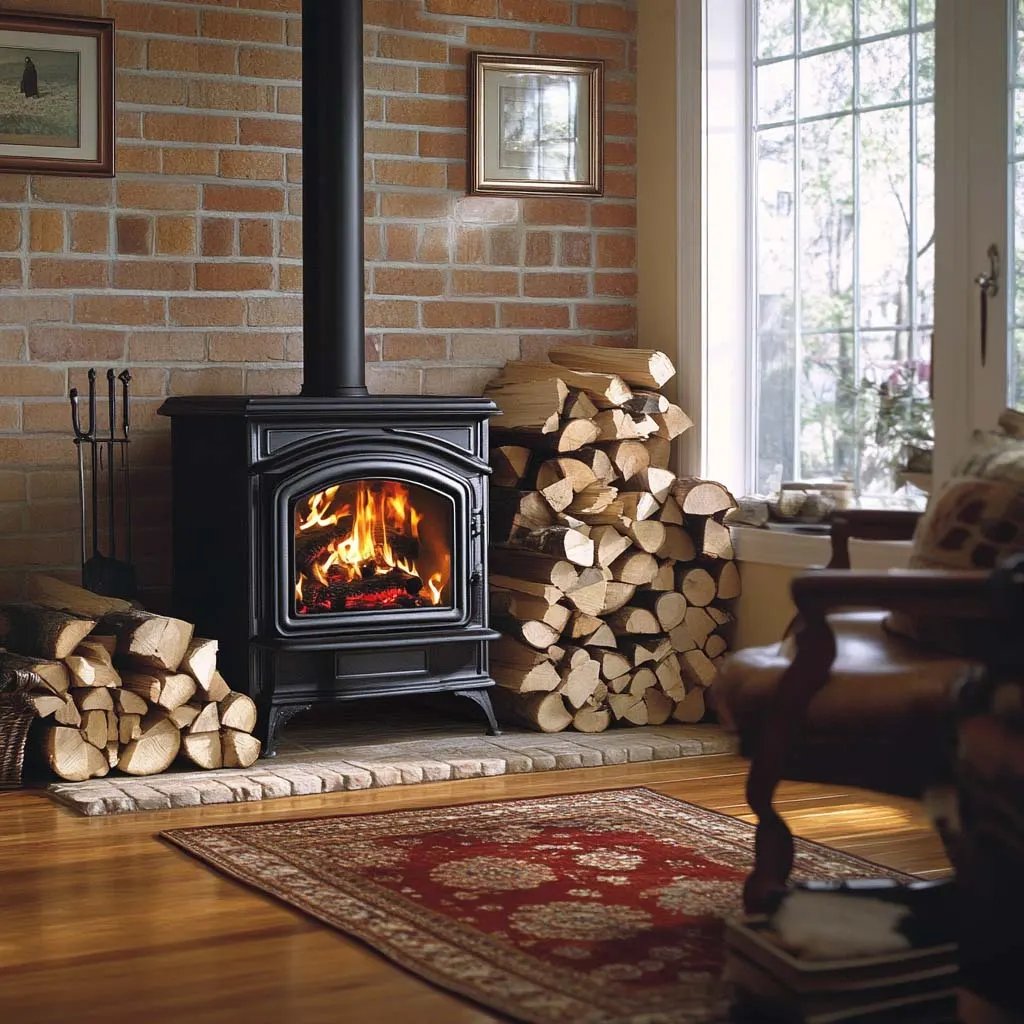
What Sets Kiln-Dried Firewood Apart?
Kiln-dried firewood undergoes a special drying process that minimizes its moisture content, making it burn more efficiently than traditionally seasoned wood. This distinction is especially important in winter when achieving and maintaining warmth is crucial. Let’s examine why kiln-dried wood outperforms seasoned wood.
Kiln-Dried vs. Seasoned Firewood: The Key Differences
Kiln-Dried Firewood
Kiln-dried firewood is processed in a kiln to remove moisture, leaving it with a lower water content (typically 10-20%). This drying method allows the wood to ignite quickly and produce consistent heat, making it ideal for winter fires.
Seasoned Firewood
Seasoned wood is air-dried naturally over a period of months. Though effective for reducing moisture, this process can leave wood with up to 30% water content. In winter, this excess moisture can inhibit combustion, making seasoned wood less efficient than kiln-dried alternatives.
The Science of Moisture Content
Moisture content plays a crucial role in how firewood burns. Wood with high moisture content requires more energy to ignite, as some of the initial heat produced is used to evaporate the water before the wood can fully catch fire. Let’s explore why moisture content is so impactful in winter.
How Moisture Affects Combustion
Water in firewood acts as a natural barrier to combustion. When wood is burned, the moisture must evaporate first, absorbing much of the initial energy and slowing down the combustion process. This results in a less efficient burn, especially in cold weather where ignition is already more challenging.
Kiln-Dried Wood’s Low Moisture Advantage
Kiln-dried firewood contains significantly less water, so it doesn’t need to waste energy on evaporating moisture. This efficiency means that kiln-dried wood ignites faster, burns hotter, and lasts longer than seasoned wood—a major benefit in winter when every bit of heat counts.
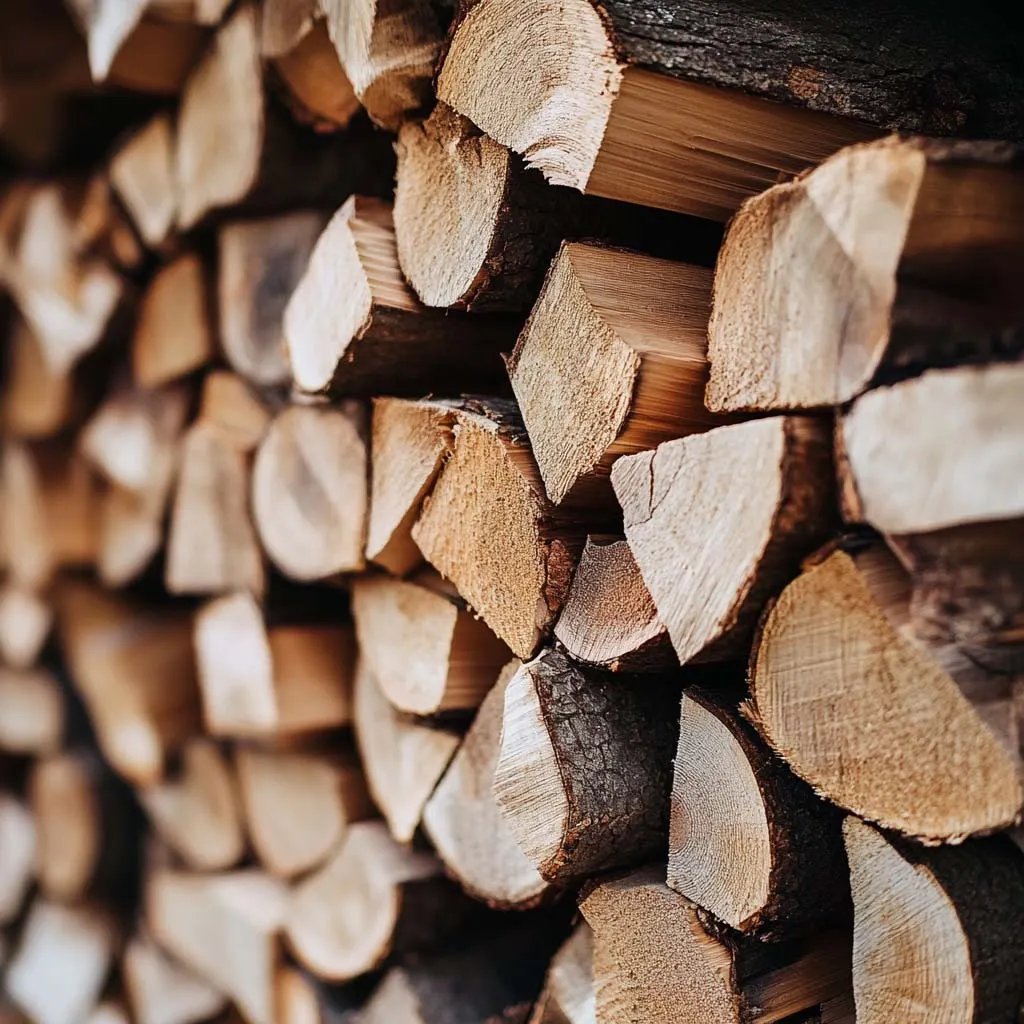
Combustion Explained: The Science Behind Burning Wood
Understanding the combustion process sheds light on why kiln-dried wood performs better than seasoned wood. Combustion is the chemical reaction where fuel combines with oxygen, releasing heat and light. Efficient combustion depends on having dry, ready-to-burn wood.
The Three Stages of Wood Combustion
Initial Ignition: Kiln-Dried Wood Lights Faster
Kiln-dried wood ignites more quickly than seasoned wood because it contains minimal water. This rapid ignition is particularly advantageous in winter, as getting a fire started quickly is essential for immediate warmth.
Active Combustion: Sustained Heat Output
During the active combustion phase, kiln-dried wood burns more consistently and at a higher temperature. The low moisture content allows the fire to continue burning without the need to pause for evaporating water, which happens with seasoned wood.
Charcoal Stage: Final Heat Release
In the final stage, the wood turns into charcoal, releasing residual heat. Kiln-dried firewood produces less ash and retains heat longer in this stage, making it an efficient choice for maintaining warmth in colder weather.
How Temperature Impacts Winter Combustion
Cold temperatures influence how wood burns. In winter, the air is denser, which can slow down the heating process of the wood, especially if it’s already damp. Kiln-dried wood, however, overcomes this challenge by requiring less initial heat to start and sustain a fire.
Kiln-Dried Wood and Cold Weather Efficiency
The low moisture content in kiln-dried wood allows for easier ignition in cold weather. Because it catches fire faster, kiln-dried wood achieves a stable burn and reliable heat output more effectively than seasoned wood. This efficiency is key to staying warm during frigid winter nights.
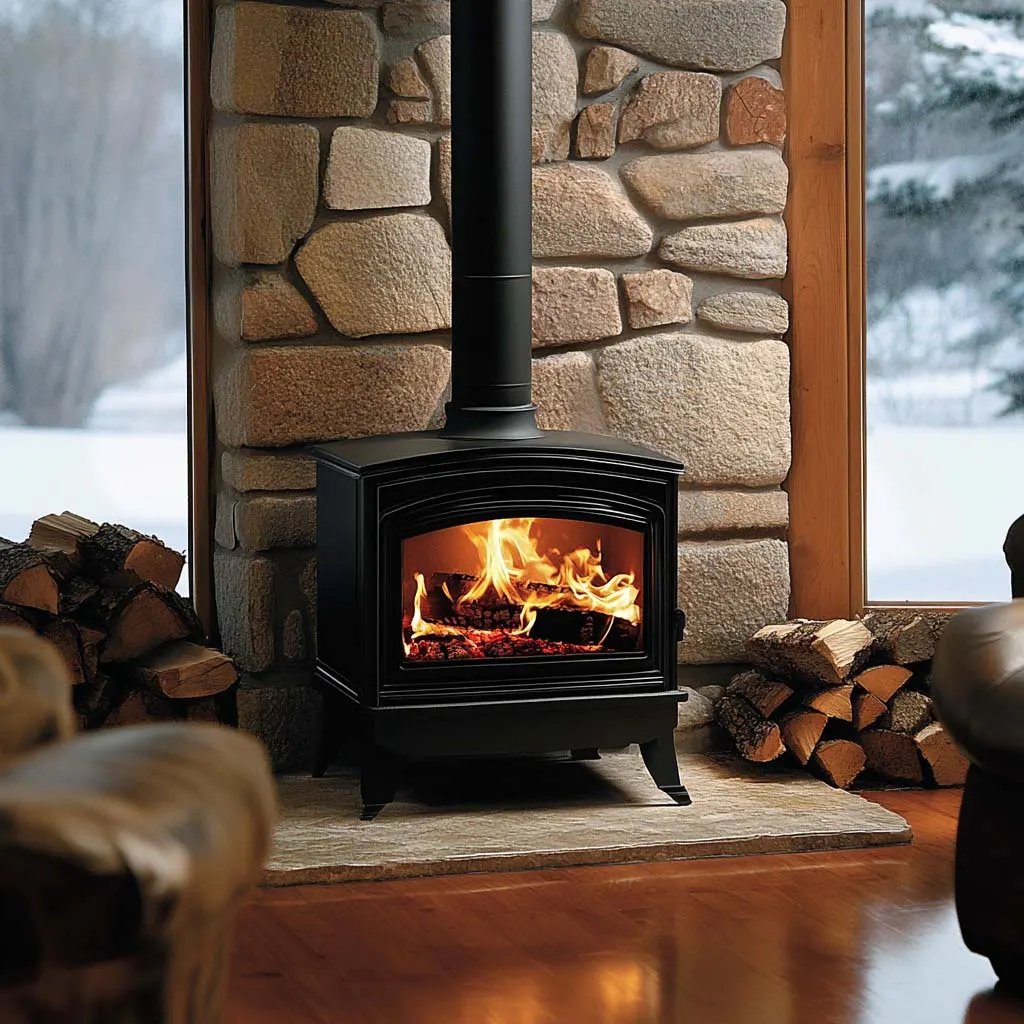
Advantages of Kiln-Dried Firewood Over Seasoned Wood
Kiln-dried firewood offers several benefits over seasoned wood, from improved heating efficiency to reduced smoke output. Let’s break down the main advantages.
Reduced Smoke and More Heat
Kiln-dried firewood produces less smoke because of its low moisture content. Excess smoke can be a nuisance, especially in winter when cold air can trap it close to the ground. By using kiln-dried wood, you’ll enjoy a cleaner burn with more usable heat.
Less Creosote Build-Up
Creosote, a byproduct of incomplete combustion, can build up in chimneys, posing a fire hazard. Kiln-dried wood’s low moisture content leads to a cleaner burn with reduced creosote production, making it safer for indoor fireplaces.
Enhanced Air Quality with Kiln-Dried Wood
Kiln-dried firewood produces fewer pollutants, contributing to better air quality both indoors and outdoors. The cleaner combustion process of kiln-dried wood means reduced emissions of particulate matter, which is especially important in enclosed spaces.
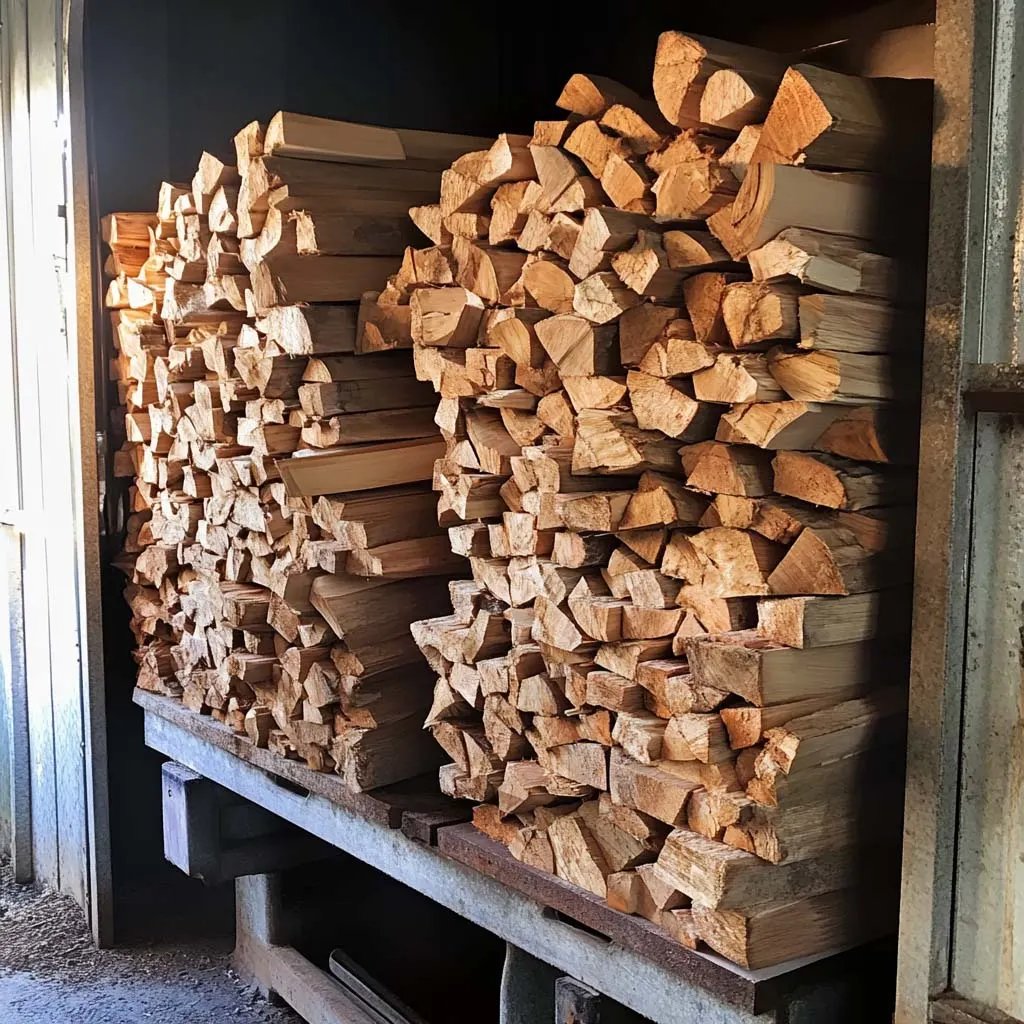
The Kiln-Drying Process: How It Works
Kiln-drying is an accelerated drying process that uses controlled heat to reduce wood’s moisture content. This process is energy-efficient and typically takes days instead of the months required for seasoning.
Why Kiln-Drying is Faster Than Seasoning
Unlike air-drying, which relies on ambient conditions, kiln-drying occurs in a controlled environment. This rapid drying process allows the wood to reach an optimal moisture level quickly, making it ready for burning almost immediately after production.
Environmentally Conscious Drying Techniques
Many kiln-drying processes use renewable energy sources, such as sawdust or wood chips, to power the kiln. This method ensures that the drying process remains environmentally friendly, minimizing waste and carbon emissions.
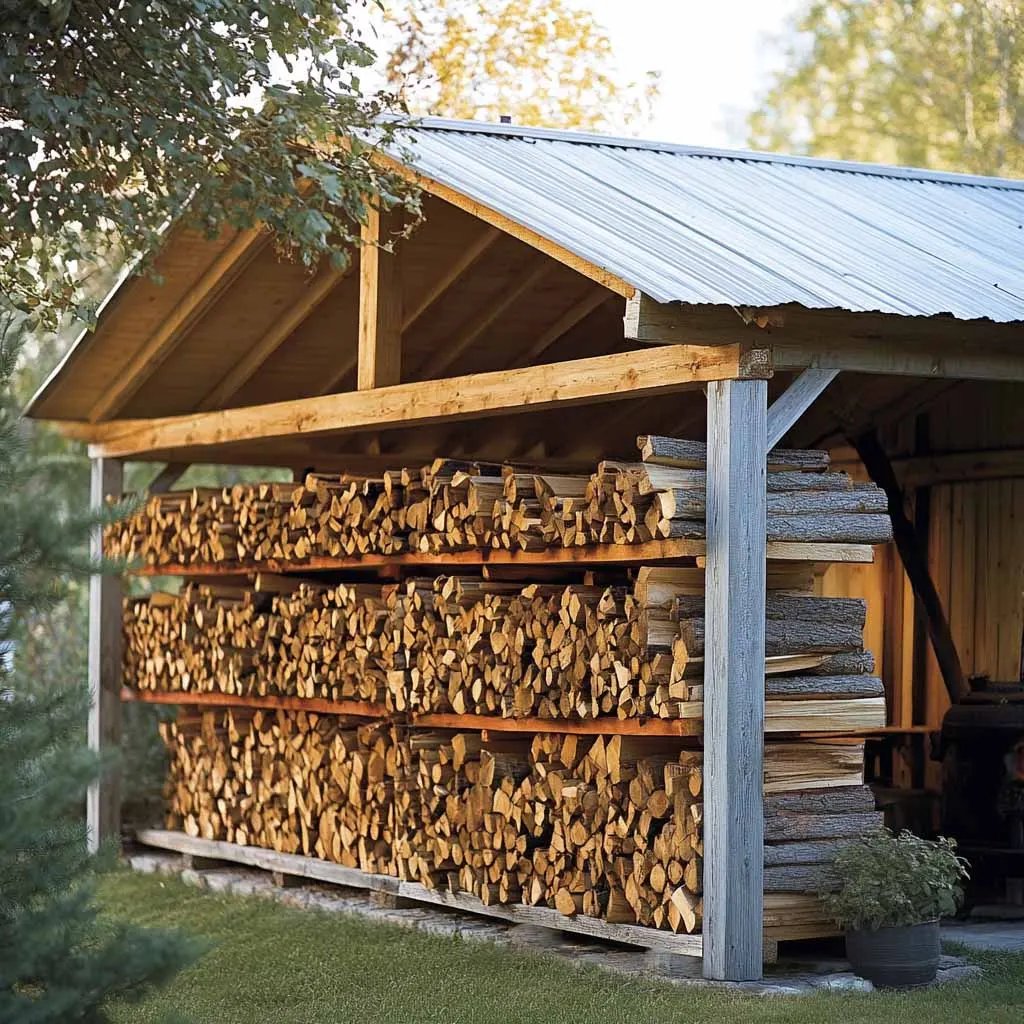
Practical Benefits of Kiln-Dried Wood for Winter
For those who rely on wood for heating or outdoor fires, kiln-dried wood offers practical advantages, including ease of storage, higher heat retention, and cost-effectiveness.
Storage Benefits of Kiln-Dried Wood
Kiln-dried wood is less susceptible to reabsorbing moisture, making it easier to store without compromising its quality. Seasoned wood, by contrast, requires careful storage to prevent it from absorbing moisture, especially in humid winter conditions.
Easy Storage in Damp Conditions
Kiln-dried firewood maintains its low moisture content even when stored in a garage, shed, or other semi-protected area. This durability ensures that it’s ready to use anytime, no matter the weather, making it a convenient choice for winter storage.
Heat Retention and Combustion Completeness
Kiln-dried wood not only produces more heat but retains it longer. This quality allows your fire to keep your space warm without frequent wood replacements, reducing waste and making it more efficient in cold weather.

Why Kiln-Dried Firewood is Economically Efficient
Though kiln-dried firewood may have a higher initial cost, it ultimately saves money in the long run by providing more heat with less wood.
Fewer Logs Needed for the Same Heat Output
Kiln-dried firewood burns longer and hotter, meaning you need fewer logs to achieve the same level of warmth. Over a long winter season, this efficiency can lead to significant savings, reducing the total amount of wood you’ll need.
Cost Savings Over Time
Because it burns more completely, kiln-dried wood generates less ash and leaves less waste. The need for fewer refills makes it an economically sound choice for regular winter fires, providing better value over time.
Ideal for Emergency Heating in Winter
In extreme winter weather, kiln-dried firewood offers reliable, immediate heat, making it essential for emergency situations when power may be out. Its easy ignition and high heat output can be a lifeline during power outages or blizzards.
Environmental Impact of Kiln-Dried Wood
Using kiln-dried wood not only benefits the user but also has a positive environmental impact, contributing to a more sustainable approach to winter heating.
Sustainable Sourcing and Energy-Efficient Production
Many kiln-dried firewood producers use sustainably sourced wood and renewable energy in their drying processes. By choosing kiln-dried wood from eco-friendly suppliers, you’re supporting environmentally responsible practices.
Reducing Carbon Footprint
Kiln-dried wood’s cleaner burn reduces the amount of carbon emissions and other pollutants released into the atmosphere. For those looking to minimize their environmental impact, kiln-dried wood is a responsible choice.
Conclusion: The Superior Choice for Winter Fires
Kiln-dried firewood is more than just a premium product—it’s a scientifically superior choice for winter warmth. With its low moisture content, fast ignition, and efficient heat output, kiln-dried wood ensures a clean, reliable burn that enhances comfort in the coldest months. Whether for indoor heating or outdoor bonfires, kiln-dried firewood provides unmatched performance and convenience, making it the ideal choice for anyone looking to stay warm this winter. By understanding the science behind kiln-dried firewood’s benefits, you can make informed choices that lead to a cozier, safer, and more efficient winter season.
Need Firewood?
Kiln-dried firewood from Axe and Kindle isn’t just fuel; it’s the secret to transforming chilly winter nights into moments of warmth, comfort, and connection. With its superior heat output, clean burn, and minimal smoke, Axe and Kindle kiln-dried firewood stands out as the ideal choice for wood-burning stoves, fireplaces, and fire pits. Imagine evenings where every fire lights effortlessly and burns brightly, filling your space with a cozy ambiance and gentle warmth. Choose Axe and Kindle’s quality kiln-dried firewood to elevate your winter experience—bringing you and your loved ones the best in comfort, relaxation, and enduring quality.